
Current Episode

For a special video game edition of our Guess That Sound competition, we invited three game audio experts to test their ears on 18 sounds from gaming history. Play along as they identify iconic fanfares, weapons, spells, power-ups, and some seriously tricky deep cuts. Who will claim the title of ultimate video game sound expert? Featuring Foley Artist and Sound Editor Joanna Fang, Senior Interactive Sound Designer Mark Kilborn, and Sound Designer and Composer Jeffrey Brice.
Archive
2022

In our third annual Mystery Sound Game Show, the crew from Endless Thread compete to guess the most sounds from this year’s batch. Get ready to listen along and test your knowledge of classic sci-fi movies, strange animal calls, video game themes, UI sounds, and more. One thing is certain: It’s gonna get toasty.

In the 1960s, Bob Moog and Don Buchla built synthesizers that changed the world. But by the early 80s, they faced a new challenger who threatened to bring it all crumbling down: the digital synthesizer. To defeat this opponent, they’d have to recruit a new ally… and maybe even join forces. Featuring Bob’s daughter Michelle Moog-Koussa, Don’s collaborator Ami Radunskaya, and journalist Ryan Gaston.

In the United States, the East Coast and West Coast have rivalries across food, sports, music and more. But there’s another rivalry that’s less well known, but just as important. This standoff created sounds that were unlike anything that had been heard before. It redefined what a musical instrument could be. And it changed the sound of pop music forever. Featuring journalist Ryan Gaston and composer David Rosenboom.

Audio description allows you to enjoy a movie or TV show without the need for any visuals. But how do these narrators strike the right tone for a scene? How do the writers decide what needs to be described? And what’s in store for the future of described audio? In honor of Blindness Awareness Month, this is a brand new story about the world of Audio Description. Featuring AD Narrator Roy Samuleson and AD experts Thomas Reid and Melody Goodspeed.

In the 80s and 90s, movie trailers were ruled by “voice-of-God” narrators who used stock phrases like, “In a world…” Today, movie studios have a different trick up their sleeves: epic sound design. In this episode, Professor James Deaville explains the history of trailers, and Youtuber Craven Moorhaus crafts a hilarious takedown of the overused clichés of modern blockbuster trailers. We’ve remixed one of our most popular episodes for your listening pleasure.

In the late 80s and early 90s, 900 numbers were all the rage. For a couple bucks a minute, you could call and hear from Hulk Hogan and Freddy Kreuger, have a psychic predict your future, and even find true love. In this episode, we dig into the wild world of 900 numbers, and explore why they came about, what made them so appealing, and why they ultimately faded away. Featuring Doug Fraser of the Curious State podcast, 900 number experts Bob Bentz and David Wood, and a surprise guest…

In World War II, the Japanese military operated a propaganda station called Radio Tokyo. Along with jazz music, the station featured several English-speaking female announcers, who became collectively known as Tokyo Rose. But who was Tokyo Rose? And was she really the treacherous villain that the US government made her out to be? This story comes from the History Daily podcast.

In 2018, voiceover artist Bev Standing recorded 10,000 sentences for the Chinese Institute of Acoustics. Bev was told the recordings would be used for a translation app, but three years later, she was shocked to discover that she had become the default voice of TikTok in North America. On TikTok, Bev heard herself saying all kinds of wild and inappropriate things. So, she decided to sue. In this episode, Bev tells her story, and we hear from the voice who replaced her.

Ted Lasso is about more than just an incompetent soccer coach—it’s about overcoming challenges by working together. And that’s exactly what the show’s sound team had to do when the pandemic hit just two episodes in. From creating crowds of thousands using just a few voices, to recording actors in their own closets, they managed to turn lockdown into an opportunity for innovation. Featuring Ted Lasso’s Supervising Sound Editor Brent Findley and Dialog Editor Bernard Weiser.

We spend a lot of time curating for taste, touch, smell, and vision. But too often, sound gets overlooked. We forget that we can get rid of sounds that annoy us, and surround ourselves with sounds that we love. When we do, it can have huge benefits for our mood and wellbeing. In this episode, Dr. Laurie Santos of The Happiness Lab joins Dallas to create a Handbook for Sonic Happiness. Featuring auditory psychologist David Poeppel, psychology researcher Giulia Poerio, clinical psychologist Ali Mattu, sound scholar Mac Hagood and acoustician Trevor Cox.
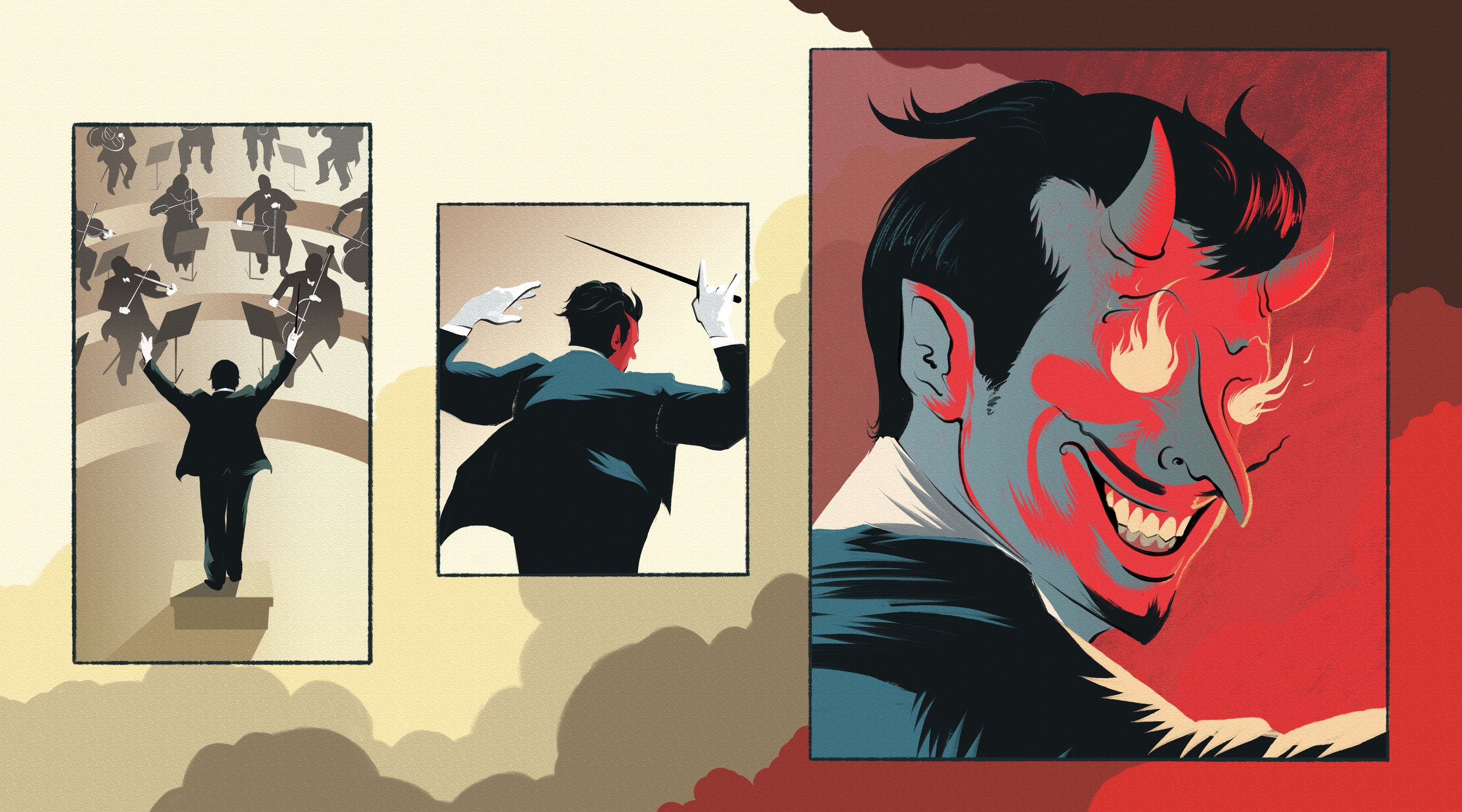
There’s a certain musical phrase that you’ve probably heard hundreds of times. It’s used to emphasize dramatic moments in movies, cartoons, commercials and musicals, most often as a gag. But while this little melody is everywhere today, the question is: Where did it come from? In this episode, we investigate the mysterious origins of a famous 3-note sting. Featuring Sound Historian Patrick Feaster and Composer Dick Walter.

What does a sound designer do all day? How do noise canceling headphones really work? And why do modern movie trailers all sound the same? In this follow-up to our 150th episode, Dallas shares the secrets of sound design with Jordan Harbinger. They also discuss audio deepfakes, sonic branding, and the eternal argument over analog vs. digital. This interview comes from The Jordan Harbinger Show.

What if you woke up one day, and found that you could no longer do the thing that gave you the most joy in your life? The thing that gave you purpose? The thing that defined your past, and was supposed to define your future? For our 150th episode, Dallas tells the personal story of how he lost something that meant the world to him… and how that loss eventually led him to become the person he is today. This story comes from the podcast Meditative Story.

In the same way that optical illusions can trick our eyes, auditory illusions can trick our ears. This raises a serious question: what is hearing, and how much of it is actually made up by our brains? In this story from the Unexplainable podcast, we explore how our brains create the sonic world around us, and what it takes to harness that mysterious power. Featuring psychologist Diana Deutsch, hearing researcher Matthew Winn and author Mike Chorost.

Many of today’s biggest songs are written and produced by people whose names don’t appear anywhere in the credits. They’re called ghostwriters and ghost producers, and they’re a huge part of the music industry. So what’s it like to watch your song become a hit when you can’t legally talk about it? And how do you get in the mindset of a legendary rap star, in order to write verses for them? Featuring rapper and ghost songwriter Skyzoo and producer Dame Taylor.

Part 2 of our series on the Windows startup sounds picks up when Microsoft made the radical decision to kill the startup sound in Windows 8. In this episode, we explore the forces that led to that decision, unpack how Microsoft channeled the music of language into their new UI sounds, and reveal 2 secret startup sounds that were nearly lost to time. Featuring former Microsoft Lead UI Designer Jensen Harris and Sound Designer Matthew Bennett.

Over the years, Microsoft has made at least ten iconic startup sounds for Windows—from the triumphant “Ta-da!” of Windows 3.1, to the ambient chime that Brian Eno crafted for Windows 95, to the orchestral sweep of Windows XP. In this episode, we explore the creation of the classic Windows startup sounds through Windows 7, and what each one says about Microsoft’s evolving technology. Featuring former Microsoft Lead UI Designer Jensen Harris and Sound Designer Matthew Bennett.

For nearly half a century, one eerie sound has been showing up again and again in movies and TV shows. It’s typically used when something spooky or mysterious happens—and it can be heard in Poltergeist, The Matrix, Let the Right One In, and countless episodes of Unsolved Mysteries. So where did this strange sound come from, and how did it spread across Hollywood? This story comes from the podcast Every Little Thing.

The voices of subway and train announcements are deeply ingrained in peoples’ lives. Many of us hear them every day, for years on end. And yet, hardly anyone knows who those voices belong to. In this episode, we uncover the human stories behind two of the most iconic transit systems in the world: the New York City Subway, and the London Tube. Featuring NYC Subway announcer Charlie Pellett and Tube announcer Elinor Hamilton.

The names of pop and rock stars are known by millions of people around the world, but the people who actually write their music often stay in the shadows. In this episode, we peel back the curtain on the songwriters behind some of the biggest hits of the last forty years, and find out how this unseen part of the industry really works. Along the way, we’ll get the inside scoop about working with KISS, Bon Jovi, Ricky Martin, Snoop Dogg, Puff Daddy, and more. Featuring songwriter Desmond Child and rapper/songwriter Gizzle.

In the forty years since The Joy of Painting first started airing, Bob Ross has become a cultural icon. His gentle, soothing voice is instantly recognizable, and still gives comfort to millions of people around the world. But despite his unshakably cheery demeanor, Bob’s life wasn’t always easy. This is his story. Featuring Sarah Strohl, Executive Assistant at Bob Ross Inc., and Kristin Congdon, author of Happy Clouds, Happy Trees: The Bob Ross Phenomenon.
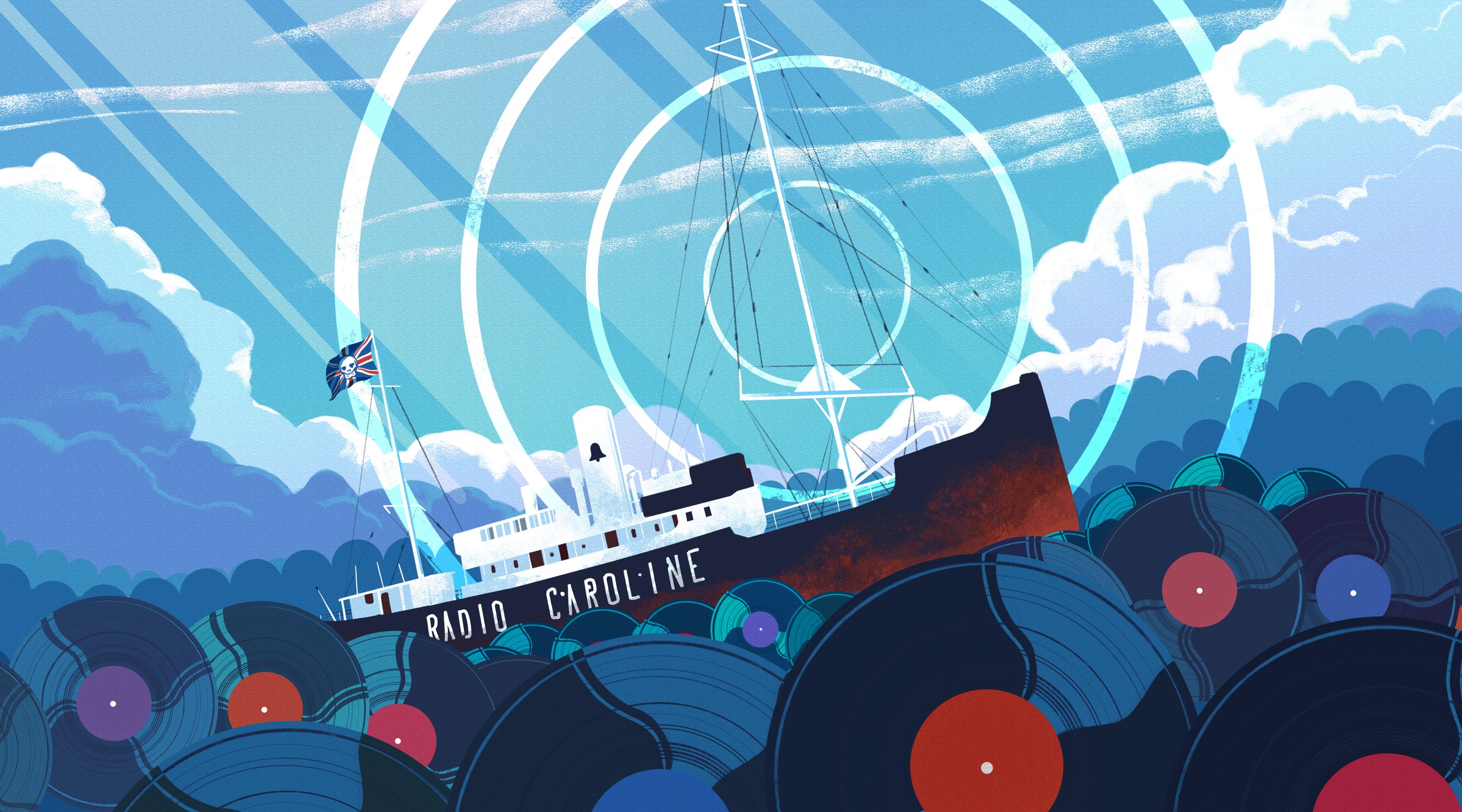
In the 1960s, the BBC had a vise grip on British radio, and rarely played the pop and rock music that was all the rage. So a group of rebellious radio DJs decided to give the people what they wanted, and started broadcasting popular music from boats stationed in international waters. Soon enough, these young DJs became national superstars… until the British government decided it was time to sink these pirates once and for all. This story comes from the History This Week podcast.

Your name is so much more than the sound that people call you by. It’s an entire human identity, distilled into a few syllables. So what do six people who share the exact same name have in common? It turns out, much more than you might expect. Follow Dallas down the rabbit hole as he speaks to name expert Laura Wattenberg and five other people named Dallas Taylor.

When The Sims was first being developed, the creators faced a problem. They knew they wanted these characters to talk and interact, but they were worried that using a real language would quickly get repetitive and annoying. So, they decided to make one up. This is the story of Simlish: How it was created, why it works so well, and why artists ranging from The Black Eyed Peas to The Flaming Lips have re-recorded their songs in this gibberish language. Featuring Sims Designer & Voiceover Director Claire Curtin, Composer & Audio Director Jerry Martin, voice actress Krizia Bajos, and Youtuber Rachybop.
2021

For our second annual Mystery Sound competition, we’ve rounded up the 20 best sounds from the past year, and invited the hosts of Underunderstood to test their ears in a competitive guessing game. So bust out those Q-tips, turn up your headphones, and prepare to guess along as we find out who will be the ultimate Mystery Sound Champion.

In part 2 of our series on HBO, we explore the tough questions that the company faced in the digital era: Are people still willing to sit through a 90-second theme song before they watch a movie? Does the sound of analog TV static even make sense to younger viewers? Could the company change with the times without losing the nostalgia they had built around their key sounds? Featuring composer Ferdinand Jay Smith, former HBO Executive Vice President Bruce Richmond, HBO’s Head of Brand Marketing Jason Mulderig, and Made Music Studio Creative Director Mickey Alexander.

In the 1980s, every movie that aired on HBO began with a truly epic theme song—a sweeping orchestral piece that triggers instant nostalgia for anyone who grew up with it. Then in the 90s, HBO introduced a 5-second audio logo for their original content. Today, we associate that sound with some of the most groundbreaking TV shows of all time. In this episode, we reveal the story behind the creation of these two iconic sounds. Featuring composer Ferdinand Jay Smith and former HBO Executive Vice President Bruce Richmond.

If you’re a human being, chances are, you know someone who is a big time snorer. You're falling asleep to the gentle sounds of crickets, and then BAM, you hear a snore that sounds like an angry troll. So who was the first snorer? And why is snoring still so popular after all these years? This story, which is definitely about snoring, comes from the podcast Endless Thread.

To give voices to the frightening monsters in movies, TV shows, and video games, sound designers often start with animal noises, then apply all kinds of creative processing. But other times, these sounds begin with human voice actors, who absolutely shred their vocal cords for our entertainment. In this episode, we learn the tricks of the terrifying trade. Featuring voice actors DB Cooper and Michael Schwalbe, and sound designer/composer Jordan Chin.

In the past, video games were largely inaccessible to people with visual impairments. But these days, game makers are adding all kinds of innovative options to make their games more accessible. And some developers are creating entire virtual worlds using nothing but sound. Featuring streamer & game consultant Steve Saylor and disability rights advocate Connor Scott-Gardner.

Playing a sport without sight might sound impossible. But it turns out, there are blind athletes all around the world doing exactly that. Instead of using their eyes, these players rely on their ears to hit a pitch, block a throw, and charge across a crowded field. Featuring beep baseball player Ethan Johnston and goalball coach Keith Young.

When Matthew Shifrin was growing up, his blindness meant that trying to enjoy a movie or TV show was often a confusing and frustrating experience. But then, Matthew discovered something called video description—an extra audio track where a narrator describes the action on screen. And suddenly, everything changed. This story comes from the Radiotopia podcast Blind Guy Travels.

For over a century, humans have been using technology to shape our sonic environment. White noise machines, nature recordings, noise canceling headphones and high-tech hearables all allow us to create an auditory safe space we can escape into. But is it possible to have too much control over what you hear? Featuring media studies professor Mack Hagood.

Not long ago, our home appliances made nothing but abrasive beeps and harsh buzzes. In recent years though, these devices have started to chirp and sing with carefully designed tones and melodies. But crafting the "perfect" device sound takes skill, patience, and a lot of trial and error. Featuring Audiobrain Founder/Executive Producer Audrey Arbeeny, and Quiet Mark Founder Poppy Szkiler.

In 2011, residents of Windsor, Ontario started experiencing a strange rumbling hum that rattled dishes and kept people awake at night. Then, after years of getting nowhere, the mystery of the Windsor Hum was finally solved... Or was it? This is a totally remixed, revoiced, and updated version of one of our oldest and most popular episodes. Featuring documentary filmmaker Adam Makarenko.

Since World War I, countries around the world have been broadcasting mysterious numerical messages via shortwave radio. Though concrete evidence is hard to come by, the general consensus is that these coded messages are meant for undercover agents operating abroad. And one particular Russian station may have an even more sinister purpose. Featuring computer engineer Andrus Aaslaid, historian Maris Goldmanis, and documentary photographer Lewis Bush.

Nearly a century after they first appeared, the Looney Tunes are back in an all-new series. To bring this iconic franchise into the present, the creators are looking to its past, taking it back to the look and feel of the 1940s. But filling the shoes of legendary voice actor Mel Blanc is easier said than done. Featuring voice actors Eric Bauza and Jeff Bergman, and showrunner Pete Browngardt.

In part 2 of our exploration of Foley, the Warner Brothers Foley team takes us into the all-important prop room. Along the way, they demonstrate how they make the sounds for flapping birds, breaking bones, cracking ice, handling guns, and more. Featuring Foley Artists Alyson Moore and Chris Moriana, and Foley Mixer Darrin Mann.

When it comes to film sound, "Foley Artist" might be the most important job you've never heard of. These performers record custom, synchronized sound effects to create the sounds for characters' footsteps, movements, and much more. It's exhausting and delicate work, and when it's done right, the audience doesn't even notice it's there. In this episode, we tour the Warner Brothers Foley stage with Foley Artists Alyson Moore and Chris Moriana, and Foley Mixer Darrin Mann.

In the late 80s, a small French company found a way to pair analog film with pristine digital audio. But getting their system into theaters would involve a long legal battle, hiding out in a Vegas bathroom, and a last-ditch meeting with a famous director. Their struggle is part of a larger narrative about the groundbreaking work of women in the field of professional audio. Featuring audio engineer Leslie Gaston-Bird and LC Concept co-founder Elisabeth Löchen.

We live in a designed world, and alert tones are no exception. Every beep and ping that your phone or laptop makes probably went through multiple rounds of revisions and approvals. So what separates a good device sound from a bad one? This story comes from the Wireframe podcast, and features sound designer Connor Moore and psychoacoustic expert Susan Rogers.

There are a few specific chord progressions that show up again and again in popular music. Across hundreds of hit songs, the same basic musical formulas have been used by artists ranging from Lynyrd Skynyrd to Lady Gaga, and from Bob Marley to Blink-182. So where did these musical tropes even come from, and what makes them so enduring? Featuring music journalist Jennifer Gersten and comedic musician Benny Davis.
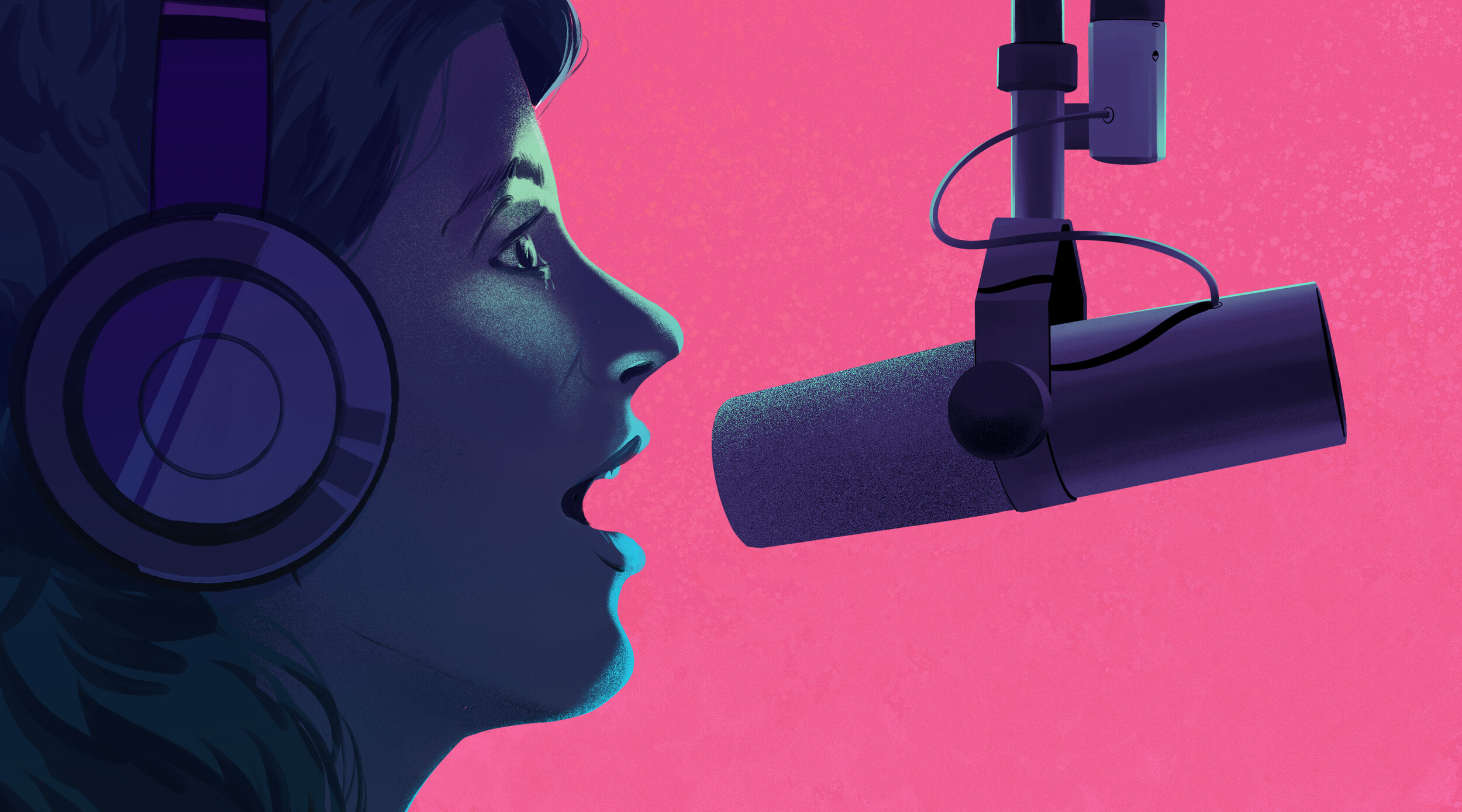
Since their founding almost a century ago, Shure has created some of the most iconic microphones ever made. In this episode, we worked with Shure to tell the story of the SM7 dynamic microphone: from its humble beginnings in voiceover studios in the early 70s, to its use on classic albums, to its rediscovery by podcasters and streamers.

Since its official release in 2011, Minecraft has grown from a small, experimental indie game into the best-selling video game of all time. Today, the game's haunting music and quirky sound effects are just as iconic as its blocky visuals. In this episode, composer and sound designer Daniel Rosenfeld (also known as C418) unpacks how he created the original music and sounds for the game.

The melodic fanfare that introduces every 20th Century Fox movie was first composed almost a hundred years ago. Since then, it's become one of the most enduring and recognizable pieces of music in modern history. It's survived company acquisitions, competition from television, and changing trends in Hollywood. But nothing lasts forever. Featuring interviews with Academy Award-nominated composer David Newman and film historian Aubrey Solomon.

The Long-Range Acoustic Device, or LRAD, was developed for the military for long-range communication at sea. But this ear-splitting device has also been fired on protesters across America, resulting in lawsuits and permanent hearing loss. In this episode, we explore the history, science, and effects of the so-called “sound cannon.” Featuring tech journalist Lynne Peskoe-Yang and activist Michele Lindor.

Since its introduction in 2003, the McDonald’s “I’m Lovin’ It” jingle has become one of the most recognizable melodies in the world. This is the story of how a catchy five-note jingle conquered the planet, from its humble beginnings at a German ad agency, to being sung by globally famous pop stars. Featuring interviews with "I'm Lovin' It" composers Tom Batoy and Franco Tortora of Mona Davis Beat.

What is sound, on a fundamental level? How did animals evolve to hear? And what happens when you go faster than sound itself? In this episode, we explore the physics of sound with the legendary Bill Nye.

Synesthesia is a neurological condition where one sensory experience gets combined with another, meaning someone might hear sounds when eat, or see colors when they listen to music. So what exactly is synesthesia? And what’s it like to go through life with these unique sensory connections? Featuring the voices of neuroscientist Dr. Richard Cytowic and five people with synesthesia.
2020

After composer Eric Whitacre finished Virtual Choir number 5 in 2018, he thought the project might be done for good. But 2020 was just around the corner, and the Virtual Choir was far from over. For our last episode of the year, we've re-edited and remixed our episode about the Virtual Choir, and added a brand new section to bring the story up to the present.

Alan Lomax believed that the culture of poor Americans was important and worthy of saving. So he spent decades traveling the American South to record obscure musicians on their front porches, in churches, even in prisons. Today, he's considered an American icon, but the road to becoming a legend wasn't an easy one. Featuring Southern Historical Collection archivist Chaitra Powell, American Folklife Center curator Todd Harvey, and filmmaker Rogier Kappers.

Sci-fi and fantasy creators often use constructed languages (or conlangs) to help us believe that the characters come from ancient times or distant galaxies. But what happens when a fictional language jumps off the screen and into the real world? This story comes from the podcast Imaginary Worlds.

Sound surrounds us, even in the quietest moments. But depending on how we hear, the world can be a different auditory experience for each of us. This episode features four stories from the TED Radio Hour.